


Kitmira Fascia Massager
Kitmira Fascia Massager
Portable fascia massage for your waist & back · Cordless · Rechargeable · The perfect everyday recovery companion


BUNDLE & SAVE
Couldn't load pickup availability

Kitmira Fascia Massager
-

I cancelled my monthly massage subscription after getting this. I get the same relief at home on my schedule for a fraction of the cost.
-

I use it after every leg day to loosen my hip flexors and lower back. My recovery time has been cut nearly in half since I started.
-

Don't let the size fool you — the vibration intensity is deep and satisfying. Way more effective than the bulky roller I used to drag out.


How to Use This Trainer
How to Use This Trainer
Wrap the Fascia Ring R10 Mini around your waist or lower back and fasten the adjustable strap snugly — no tools or complicated setup needed. Press the power button to select your preferred intensity level, sit back, and let the percussive vibrations work into the fascia tissue for 10–20 minutes. Use it at your desk, on the couch, or even during a light walk for consistent daily recovery without interrupting your routine.
Shipping Delivery
Shipping Delivery
We ship fast so you can move faster.Processing Time: Orders are processed within 2–3 business days.Shipping Time:Standard Shipping: 6–12 business days Express Shipping: 4–8 business days Tracking: All orders come with real-time tracking updates.If your order is delayed or lost, contact us and we’ll make it righ


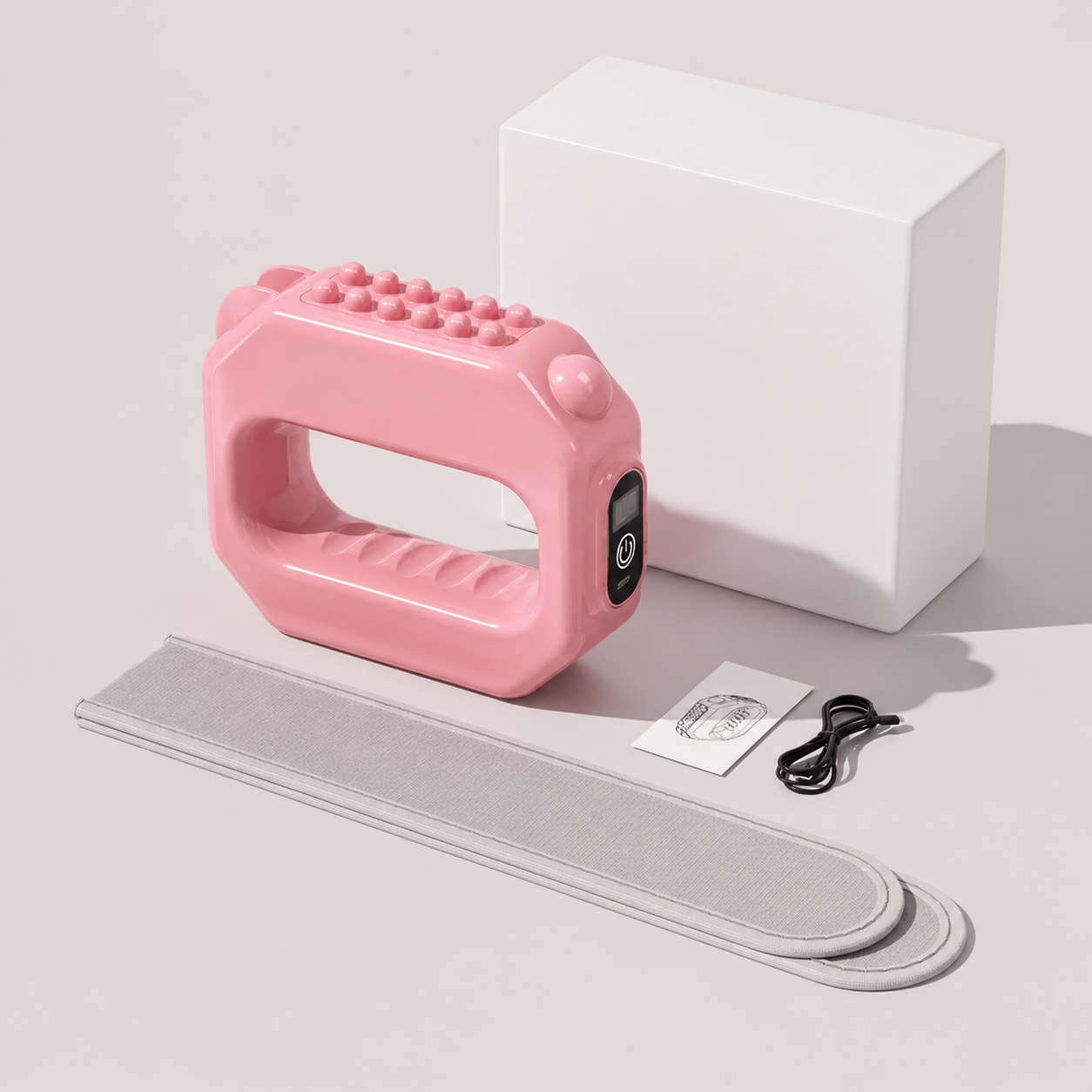
Stop managing pain — start recovering from it
Most people accept lower back and waist tension as "just part of life." The Fascia Ring R10 Mini was designed to prove them wrong. By targeting the fascia — the connective tissue layer that tightens from stress, sitting, and overuse — it delivers real, lasting relief that pain creams and heating pads simply can't reach.


Turn your daily routine into a recovery ritual
The most powerful recovery tool is the one you actually use consistently. That's why the Kitmira Mini was designed to fit invisibly into your existing habits rather than demanding a new routine. Wear it during your morning coffee while your body wakes up. Strap it on during the last half-hour of your workday to decompress. Run it for 15 minutes before bed to signal to your nervous system that it's time to rest. Users who build this into a daily ritual report not just less pain, but better sleep quality, improved posture, and a greater sense of physical energy throughout the day.

Engineered for every body, every day
The Kitmira Mini isn't a one-size-fits-most compromise — it was engineered from the ground up for real bodies with real needs. The upgraded adjustable strap comfortably fits waists up to 55 inches, securing hands-free during sessions so you can multitask while you recover. Multiple intensity settings let beginners ease in gently while athletes can dial up the deep percussive power their muscles crave. The compact, rechargeable body keeps the experience seamless: no cords, no bulk, no excuses. Whether you're 25 or 75, desk-bound or gym-bound, this device adapts entirely to you — not the other way around.
30-Day Money-Back Guarantee.
Try it completely risk-free. If you don't love your results within 30 days, we'll refund every cent — no questions, no hassle, no fine print. We're that confident in what this trainer will do for you.
FAQ
Will this work for my body size? I'm worried about the strap fitting.
Will this work for my body size? I'm worried about the strap fitting.
The Kitmira Mini's upgraded adjustable strap is designed to fit waists up to 55 inches — one of the widest ranges of any portable massager on the market. The strap is made from a flexible, skin-safe material with multiple secure adjustment points, so it sits comfortably against your body regardless of your shape or size. Simply adjust it to your comfort level and go.
How long does the battery last, and how do I recharge it?
How long does the battery last, and how do I recharge it?
On a full charge, the Kitmira Mini delivers up to 3–4 weeks of daily use at moderate intensity — most users charge it only once or twice a month. It recharges via a standard USB-C cable (included), and a full charge takes approximately 2 hours. The LED indicator shows you exactly when it's charged and ready to go.
Is this safe for older adults or people with existing back conditions?
Is this safe for older adults or people with existing back conditions?
The Kitmira Mini is designed with adjustable intensity levels specifically so that gentle users — including seniors and those with existing back sensitivity — can use it safely and comfortably at the lowest settings. That said, we always recommend consulting your physician or physical therapist if you have a diagnosed spinal condition, have had surgery, or are pregnant before beginning any percussive therapy routine.
Can I use this on areas other than my waist and back?
Can I use this on areas other than my waist and back?
The Kitmira Mini is primarily engineered and shaped to optimize contact with the waist and lower back region — the areas most affected by prolonged sitting, physical labor, and everyday stress. While some users apply it to their hips and upper glutes by repositioning the strap, we recommend using it in the intended area for the best and safest results.
How soon will I notice a difference?
How soon will I notice a difference?
Most users report feeling noticeably looser and less tense after their very first 15-minute session. Significant, lasting changes in chronic stiffness and soreness are typically reported within the first 7–14 days of consistent daily use. Like most recovery practices, frequency and consistency drive the best long-term outcomes.